More Than Words: Why Learning a Language Still Matters
More Than Words: Why Learning a Language Still Matters
As Term 2 comes to a close, it is a good time to reflect on some of the rich learning opportunities our students have experienced beyond the classroom.
During the Year 10 Pathways Expo held earlier this term, the Languages Department was delighted to meet many students and parents who came to ask questions about where language learning can lead after the compulsory years and into senior school. It was wonderful to see such genuine curiosity, and even more wonderful to have conversations about where language learning can lead.
A language is sometimes seen as “just another subject”. In reality, it is much more than that. It is a skill, a mindset, a cultural bridge and, at times, a very useful brain workout, with fewer running shoes required.
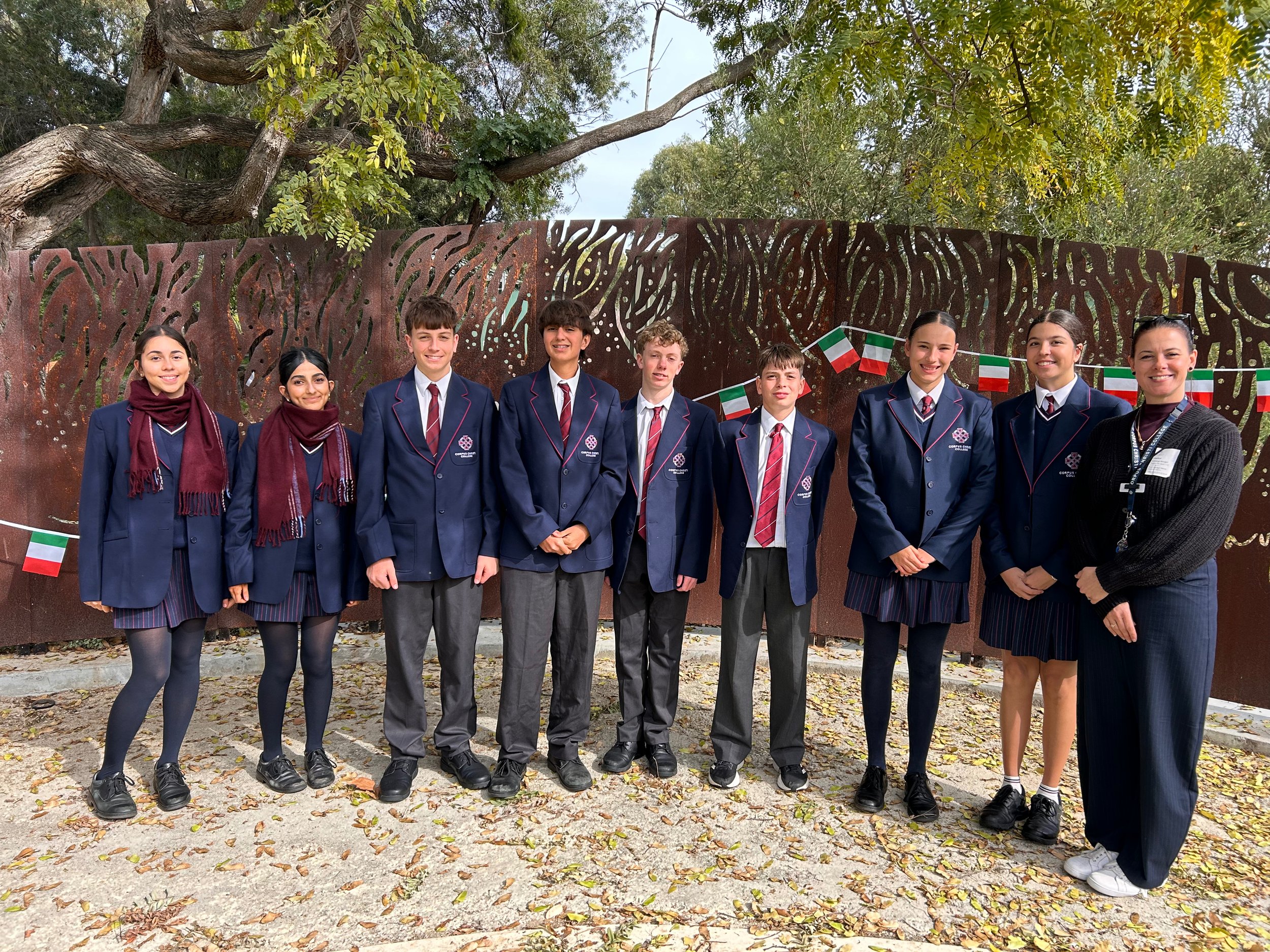
This message was reinforced again at the recent WAATI Year 10 Italian Forum, where our Italian students had the opportunity to listen to university representatives, members of the Italian-speaking community in Western Australia, and former students who had continued Italian into ATAR, university and their professional lives.
The stories shared were inspiring. Some speakers had continued their language studies at university. Others had found that learning a language gave them confidence, cultural awareness and unexpected advantages in work and life after school. The common message was clear: learning another language opens doors, sometimes in ways students may not immediately imagine.
A workout for the brain
Research continues to show that learning another language can support important brain skills such as memory, attention, problem-solving and cognitive flexibility. In simple terms, students who learn a language regularly practise switching between systems, noticing patterns, making connections and thinking in different ways.
This is powerful learning.
When students realise that another language does not always translate word-for-word into English, they begin to understand that language is not simply a code. It is a different way of organising thought. They learn to be flexible, patient and attentive to meaning.
And yes, verb endings may not always feel exciting in the moment, but they are quietly training the brain to look closely, think carefully and adapt.
A window into others and a mirror for ourselves
Learning a language gives students a window into another culture, but it also acts as a mirror. It helps them better understand their own language, habits and assumptions.
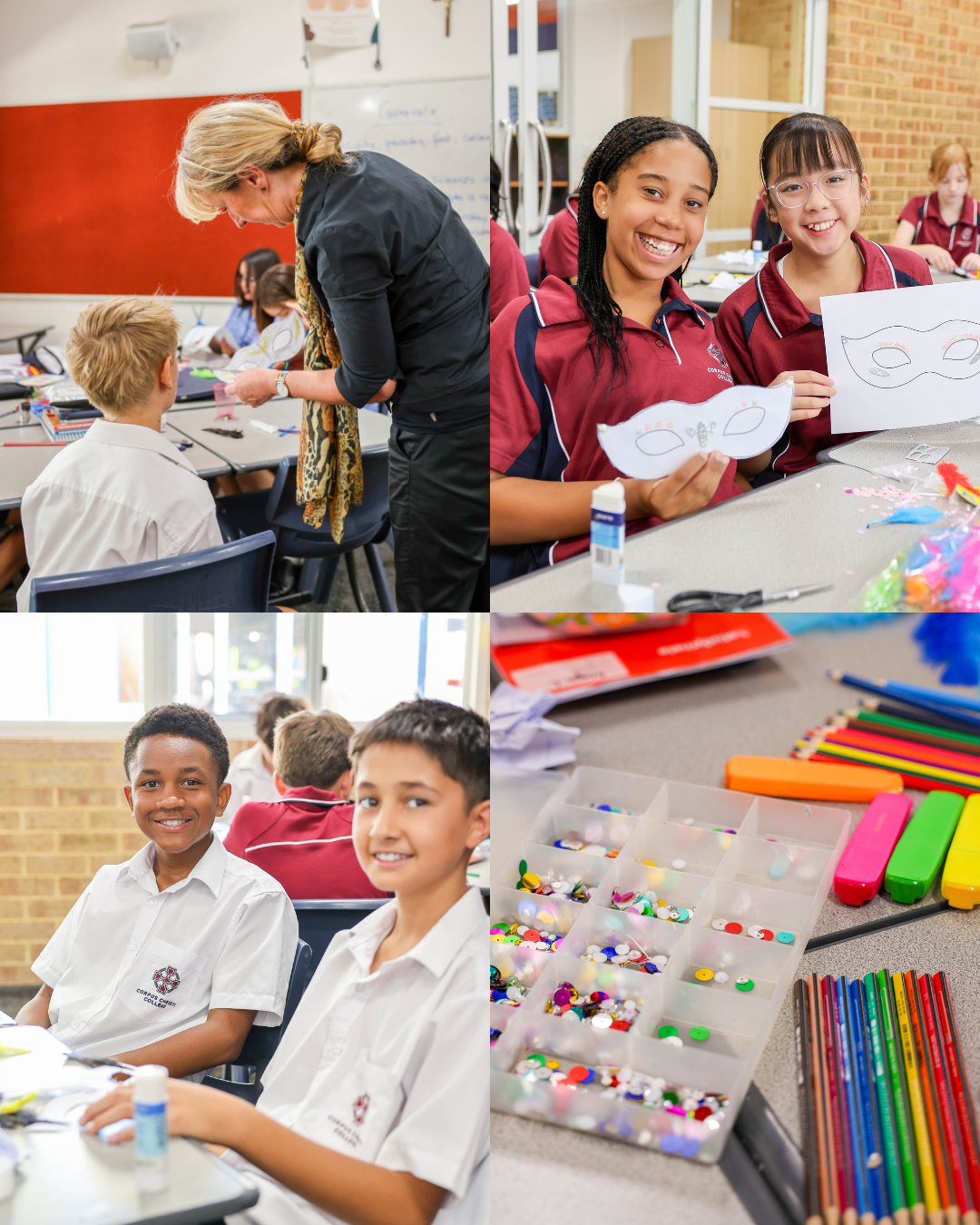
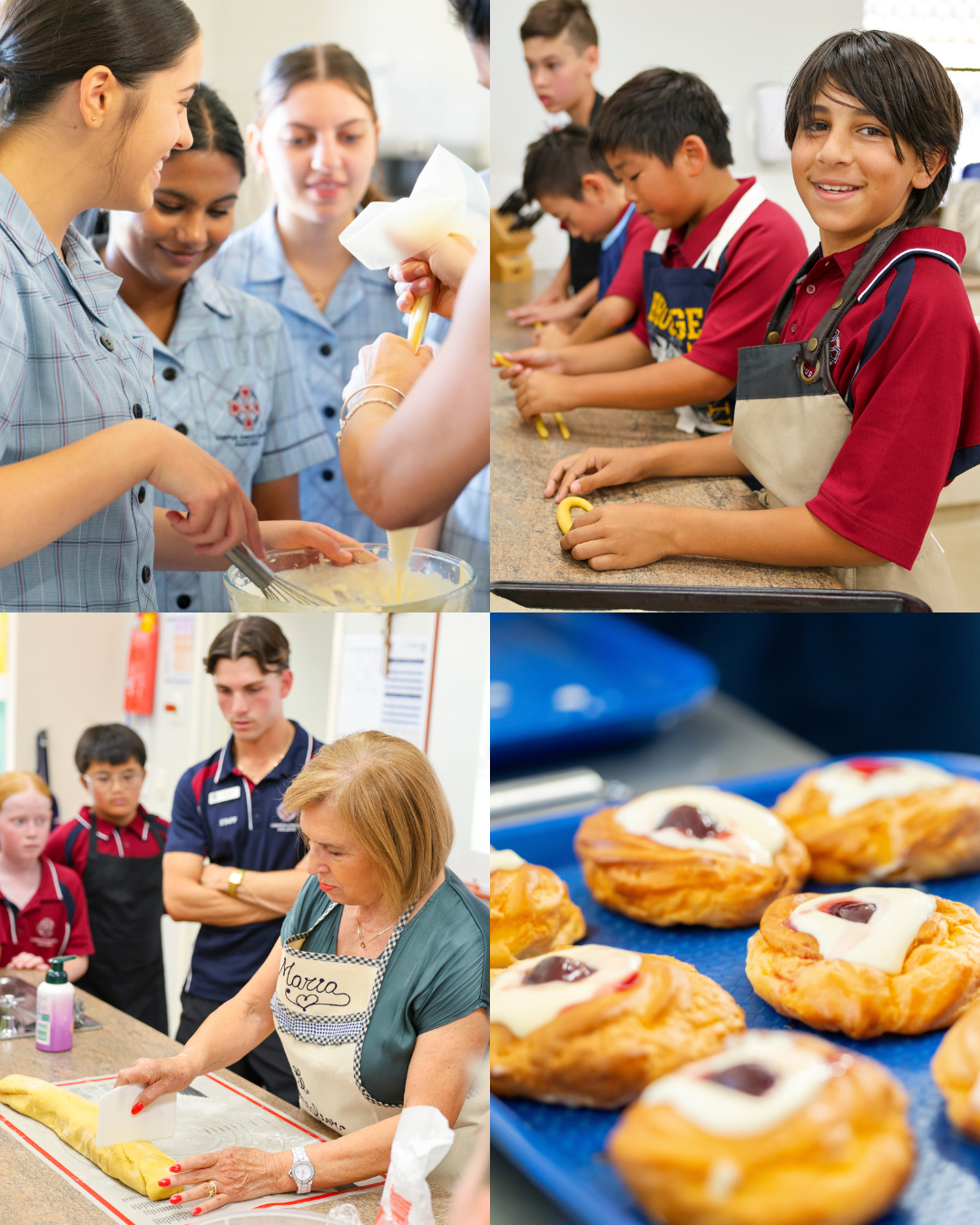
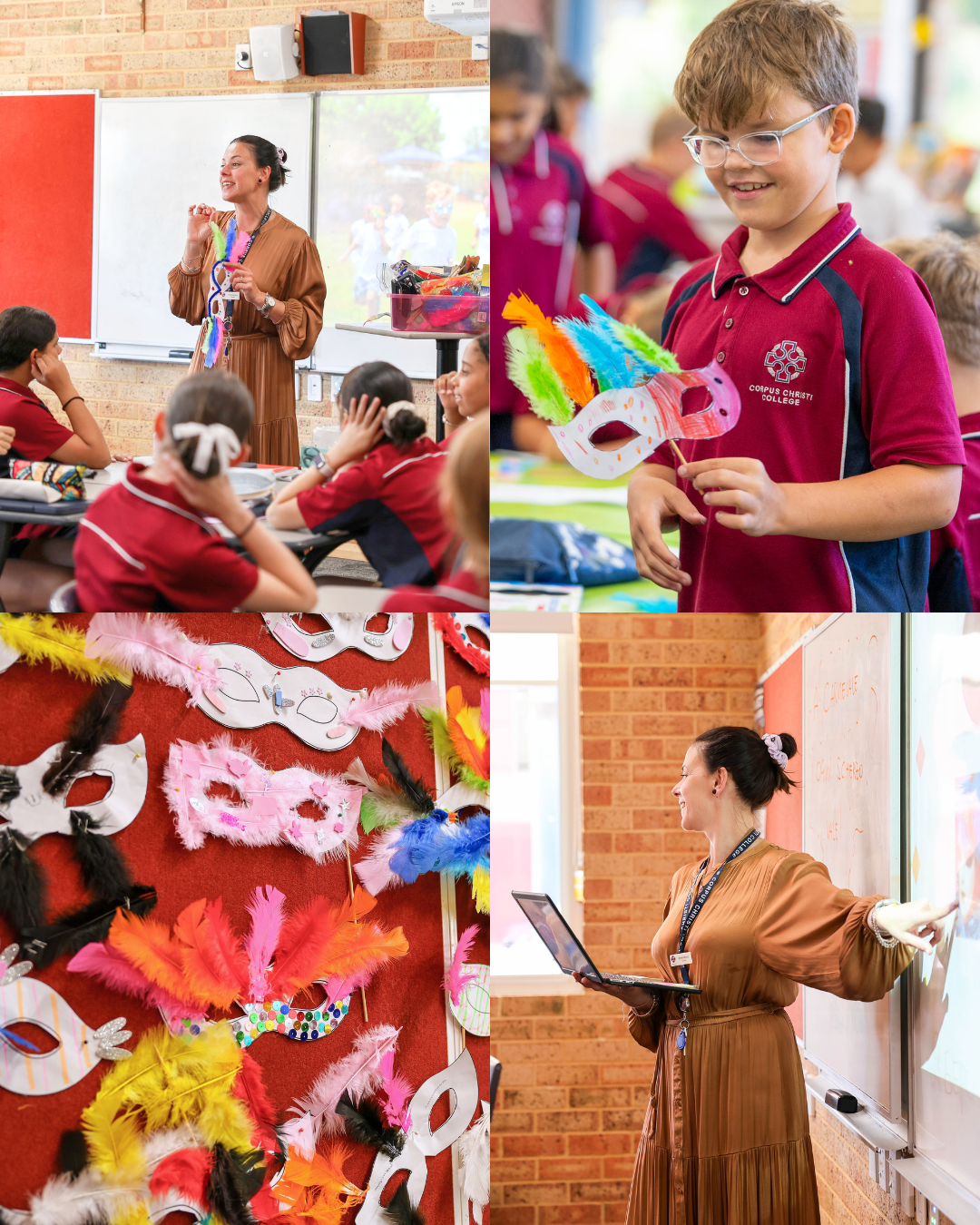
Through language learning, students explore not only vocabulary and grammar, but also food, gestures, family, humour, music, art, migration stories, celebrations and ways of communicating. They begin to see that people may express respect, affection, disagreement or gratitude differently across cultures.
In a multicultural country like Australia, this is not just “nice to have”. It is an important life skill.
It helps students become more open, more thoughtful and more aware of the world around them. It also gives them the confidence to step into unfamiliar situations, whether that is travel, further study, work, or simply meeting someone whose story is different from their own.
Where can a language lead?
One of the most common questions families ask is: “What can my child actually do with a language?”
The answer is: quite a lot and often in very practical ways.
A language can support students who are interested in international business, tourism, hospitality, education, law, health, science, diplomacy, journalism, trade, marketing, interpreting, translation, migration services, community services and many other areas.
It can also be useful in careers where people work with clients, patients, families, travellers, international companies or multicultural communities. For example, a student who continues a language may one day find it useful when working in healthcare with families from diverse backgrounds, in business with overseas clients, in law or migration services, in tourism and events, in teaching, or in industries connected to design, food, fashion, sport, travel and culture.
Language learning also builds transferable skills that employers value: communication, confidence, listening, adaptability, problem-solving and cultural awareness. These are not skills that belong to one career only. They travel with students into many different pathways.
At university, students may continue languages in different ways. They may choose to major in a language, combine it with another area of study, or in some cases study a language alongside their main degree. This means students do not necessarily need to choose between a language and another career pathway. They may be able to continue developing language skills while also studying areas such as business, law, health, education, science, communications, design or the humanities.
In other words, a language does not close doors. It adds another key to the ring.
The value of word awareness
Learning another language also helps students become more aware of how words work. They begin to notice patterns, word families, prefixes, suffixes and roots. This is useful not only in Languages, but also in English, Humanities, Science and other learning areas.
For students interested in fields such as medicine, health sciences, law or research, this attention to meaning can be especially helpful. Many academic, scientific and medical terms have roots in Latin, Greek or other European languages. Students who study languages often become more alert to these connections.
This does not mean that a language replaces specialist study, of course. However, it can strengthen the way students approach unfamiliar vocabulary and complex ideas. They become better at asking, “What does this word remind me of?” or “How is this word built?”
That kind of curiosity is valuable far beyond the language classroom.
Why continuing matters
Language learning is like building a house. Each year adds another layer: sounds, vocabulary, grammar, confidence, culture and communication.
The early years give students the foundations. The later years allow them to become more independent and expressive. They move from “I know a few words” to “I can understand, respond, explain, compare and express myself.”
That growth takes time, and it is why continuing a language beyond the compulsory years can be so valuable.
Sometimes students do not realise the full value of language learning until later. It may appear when they travel, apply for university, meet people from different backgrounds, work with clients, understand family heritage, or simply realise that they are able to see the world through more than one lens.
A final thought before the holidays
In a world where technology can translate words instantly, it is easy to wonder whether learning a language still matters.
It does.
Technology can translate a sentence, but it cannot replace curiosity, humour, cultural understanding, empathy or the confidence that comes from communicating with another person in their language.
Learning another language does not narrow a student’s future. It expands it.
As we finish Term 2, we thank our students for their enthusiasm and curiosity, and we thank the families who took the time to speak with us during the Pathways Expo. We also hope the recent language pathway opportunities and forums have given our students further inspiration as they consider their future subject choices.
For any families who would like to know more about language pathways, ATAR language options or the benefits of continuing a language beyond the compulsory years, the Languages Department would be delighted to continue the conversation.
Learning another language is not simply about finding different words. It is about discovering a wider world.